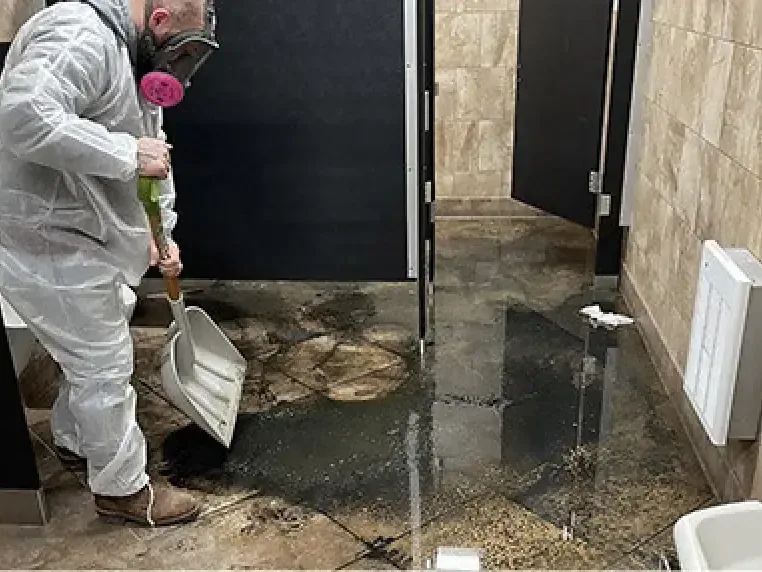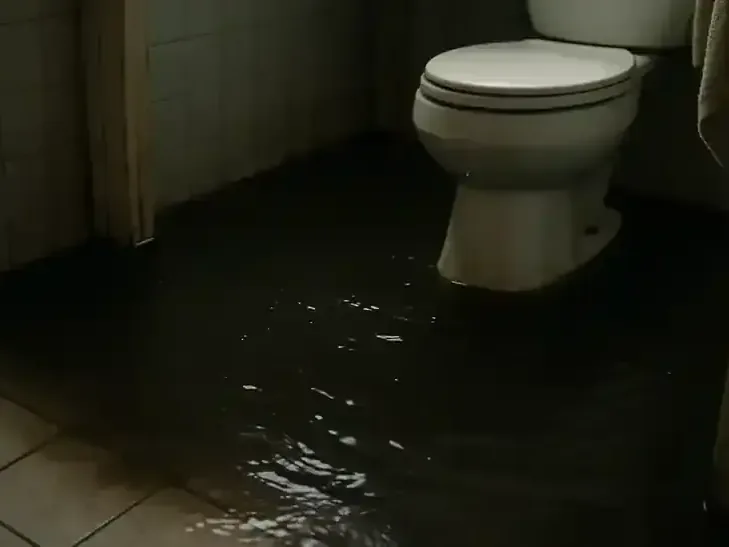
The cleanup plan for a toilet overflow depends on more than the size of the bathroom puddle. Water from a supply component and water carrying waste require different handling. North Decatur restoration starts by establishing the release conditions, then checks how the water moved around the fixture, beneath nearby furnishings and out of the bathroom's visible floor area.
Describe the overflow before choosing the cleanup method
Clairmont Heights lies roughly between North Decatur Road, Clairmont Road, Mason Mill Park and Willivee Drive. A property report there should focus on the fixture and the water: whether the bowl overflowed, whether a supply connection leaked and whether the release continued after use stopped. Those observations help define source repair and the appropriate restoration handling.
- Keep the fixture unused until the cause of the overflow is addressed.
- Record the visible water boundary without walking through the affected bathroom.
- Check whether water crossed the doorway or appeared in another room.
- Identify vanity storage and porous items that contacted the bathroom spill.
The vanity and doorway can conceal retained water
Druid Lake is off North Druid Hills Road. In an affected bathroom, a vanity base can obstruct access to water that ran beneath it. Floor joints, trim and door saddles can also hide moisture after the open surface is wiped. The assessment should include these edges before declaring that a contained looking spill stayed within easily cleaned surfaces.
Porous materials exposed to contaminated water may require removal, while suitable hard surfaces need thorough cleaning. The condition of the water and the material together determine that choice. A bathroom tile surface may appear intact even when the adjoining carpet, cabinet panel or wall base cannot remain. The scope should explain those separate decisions rather than applying one result to the entire room.
Follow gravity when the spill leaves the bathroom
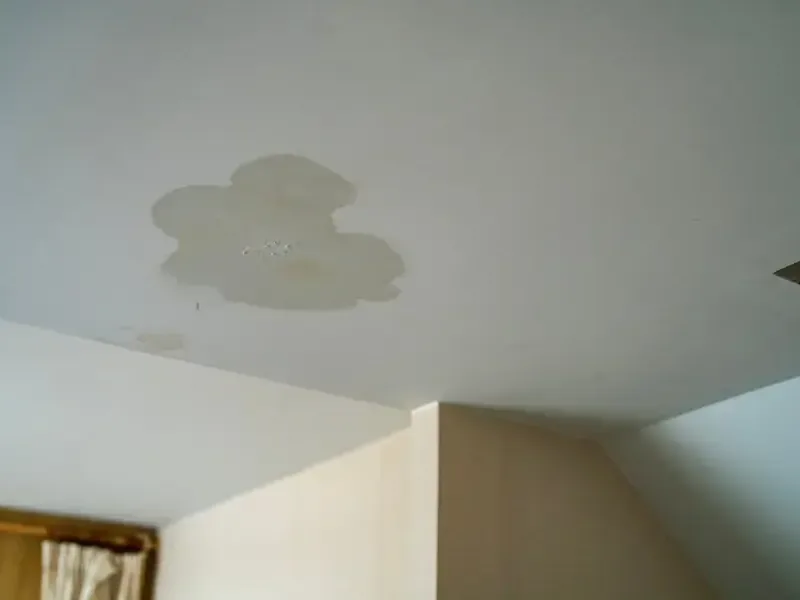
Tuxworth Springs is a condominium complex off Scott Boulevard. If overflow water reaches another interior space, building management and affected occupants may need to coordinate entry. The receiving ceiling, wall or floor deserves its own record, particularly when water traveled through concealed openings before the first stain became visible away from the original fixture.
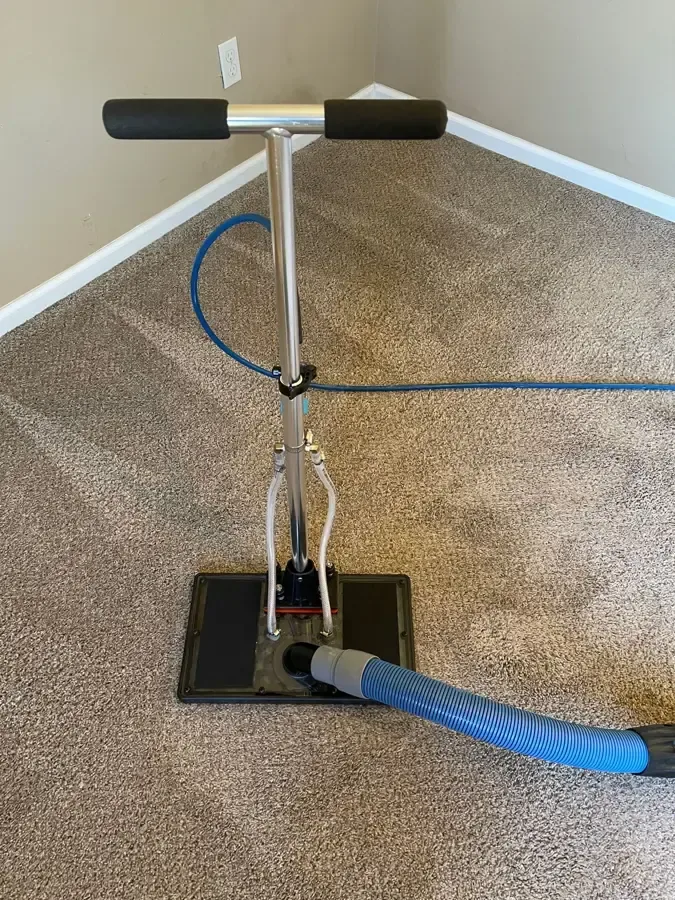
Sanitary water damage cleanup may be relevant when waste is involved, while ceiling assessment addresses lower overhead damage. The final handoff should identify the fixture repair, cleaned surfaces and drying results. It should also state which porous materials were removed and which receiving areas remain under assessment before the bathroom and adjoining spaces return to ordinary use.