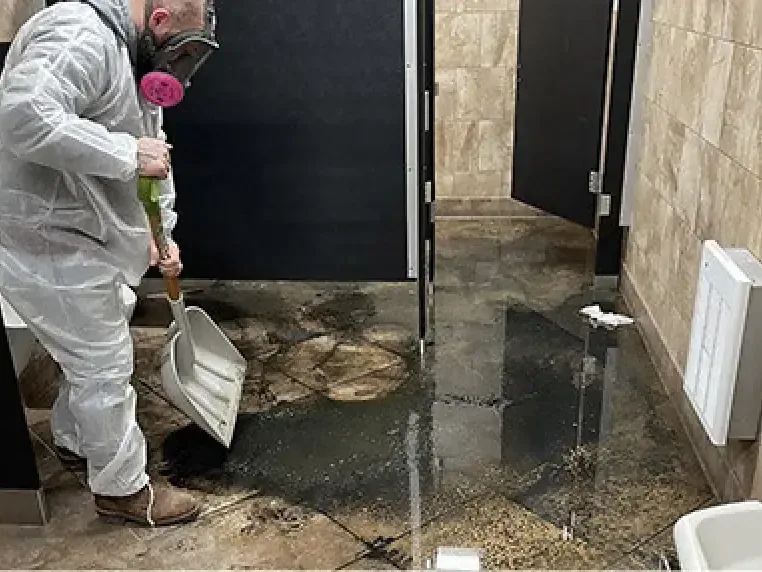
A sewage backup changes how a household uses the affected room. The doorway becomes a boundary for people, belongings, and cleanup equipment until the contamination has been assessed. In Clarkston, DeKalb County Watershed Management provides wastewater services. A suspected county service issue belongs in a utility report, while the indoor response addresses the contaminated surfaces and the route sewage took through the home.
Key takeaways
- Keep occupants and pets outside every room reached by sewage.
- Stop using affected fixtures while the drainage problem is assessed.
- Record the first overflowing fixture and any other drains involved.
- Keep contaminated belongings away from clean storage areas.
- Obtain separate records for drain correction and interior cleanup.
Identify the first affected fixture from outside the wet area
The first report should name the fixture where the backup was noticed and describe what happened just before it overflowed. An owner can also note whether another drain was backing up at the same time.
These observations give the plumbing investigation a starting point without requiring the household to test the system repeatedly.
Using additional water can complicate an active backup. Occupants should leave the affected fixtures unused while the responsible professional assesses the drainage problem.
A toilet that has stopped overflowing still needs investigation when the reason for the overflow remains unresolved, particularly if water has appeared at another drain.
The sewage cleanup team needs to know which rooms have been reached and whether access crosses contaminated flooring. That information supports a safe arrival route and suitable handling arrangements.
The first conversation should describe visible sewage and affected materials in plain terms, including any electrical hazard at the room boundary.
- Note the fixture where water appeared first.
- Describe other drains showing unusual water movement.
- Keep affected plumbing unused pending assessment.
- Identify any clean entrance that avoids the spill.
Set the boundary beyond the obvious spill
A visible pool does not show every surface touched by the backup. Water can pass under a bathroom door, collect against a vanity, and soak a mat before anyone sees it.
The assessment follows those contact points and includes adjoining floor edges, lower trim, and items resting directly on the floor.
Foot traffic can carry contamination beyond the original room. The team asks where people walked after discovering the overflow and where wet objects were placed.
Those details help locate additional cleaning needs while avoiding an unnecessarily broad assumption that every room in the home has been affected.
The boundary can be marked on a simple room sketch with a separate note for tracked material. Photographs preserve the original arrangement before furniture or storage is moved.
This allows the cleanup scope to follow the actual contact history and gives the household a clear explanation of which areas remain restricted.
Handle belongings according to contact
A cardboard box standing in sewage presents a different problem from a closed object on a dry shelf. Contents should be inventoried according to their location and exposure.
The record can identify the item, its material, and its condition before a decision is made about cleaning, disposal, or specialist assessment.
Moving wet contents directly into a bedroom or clean closet spreads the work. The crew establishes a handling route and a suitable place for assessment.
Items set aside for disposal should be documented before removal, with enough detail for the owner to recognize them later without bringing them back into the living area.
The household should leave contaminated textiles and porous objects undisturbed until their handling is planned. A superficial rinse can change the appearance without addressing embedded contamination.
The cleaning decision should consider all affected surfaces and layers, particularly the underside of furniture or the backing of floor coverings.
- Photograph items where they stood during the overflow.
- Separate wet possessions from dry items moved for access.
- Keep discarded material out of occupied rooms.
- Use item descriptions that remain understandable after removal.
Arrange the wastewater report with interior work
DeKalb County Watershed Management provides both water and wastewater services for the area. When the drainage assessment identifies a county service concern, the utility report should describe the observed problem and its location.
The indoor cleanup file can retain the report reference alongside findings from the plumbing professional.
Repairing a drainage obstruction and cleaning the room solve different parts of the incident. The source work restores the affected drainage function.
The interior work removes sewage, assesses damaged material, and cleans surfaces that will remain. Scheduling those tasks together helps prevent a newly treated area from receiving another release.
A fixture specific problem may also require toilet overflow cleanup, with attention to the floor around the base and adjoining finishes. The scope should follow the observed condition and route.
A shared written record keeps the utility, plumber, and restoration work from being confused with one another.
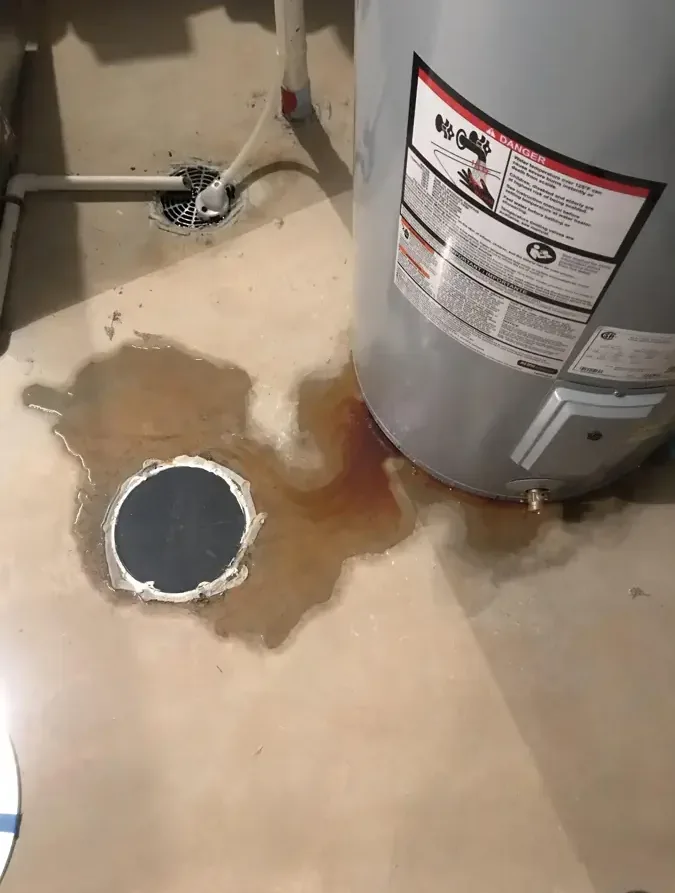
Clean retained surfaces before starting the drying plan
The work sequence addresses contamination before relying on airflow. Accessible sewage is removed, affected material is assessed, and surfaces suitable to remain receive appropriate cleaning.
Finishes that prevent access to contaminated layers may need controlled removal so the team can reach the material underneath and document its condition.
A clean appearance alone cannot settle whether a floor assembly or wall base is ready for repair. Technicians inspect concealed contact areas where the route supports it.
They also document what was removed and what remains, allowing later drying readings to refer to the actual surfaces being retained in the building.
Once the area is prepared, structural drying work addresses moisture in recoverable assemblies. Equipment serves that defined scope rather than simply circulating air around an untreated spill.
Monitoring then follows the retained materials until the drying goal is met and the remaining construction tasks can be described clearly.
- Record cleaning and removal decisions by surface.
- Keep photographs of newly exposed material.
- Identify the points selected for moisture monitoring.
- List finish repairs separately from sanitation work.
Return the room with a clear record of what remains
The closing discussion should explain the corrected drainage issue, the indoor contamination boundary, and the material decisions made during cleanup. If another trade still has work to perform, the location and task should be listed.
A household benefits from knowing whether a room is awaiting finish replacement or additional source repair.
The owner can retain a contents inventory, disposal record, cleaning notes, and drying measurements with the plumbing invoice. Room names should stay consistent throughout the file.
This makes a bathroom vanity entry or hallway flooring entry easy to follow from the original photograph through the final restoration decision.
Normal household use should follow the professional handoff for the treated area. Furniture placement and storage should allow any remaining repair access to stay available.
The final record can include an updated room sketch showing retained finishes, removed sections, and the completed work, making the transition to rebuilding more orderly.
Questions
Is a stopped overflow safe to walk through?
The end of visible flow does not remove contamination already left on the floor. Occupants should stay beyond the affected boundary until the area has been assessed and treated.
What if a wet box was carried into another room?
Its route and resting place should be included in the cleanup discussion. That contact history helps the team inspect the additional surfaces and decide what cleaning is needed.
Who receives a county wastewater service concern?
DeKalb County Watershed Management is the local wastewater service provider. The utility report and the indoor cleanup record should describe their respective tasks and retain any reference information.
Why keep pictures of removed finishes?
Photographs connect a disposal decision to the visible condition and location of the material. They also help the repair contractor understand the exposed area after contaminated finishes have left the property.