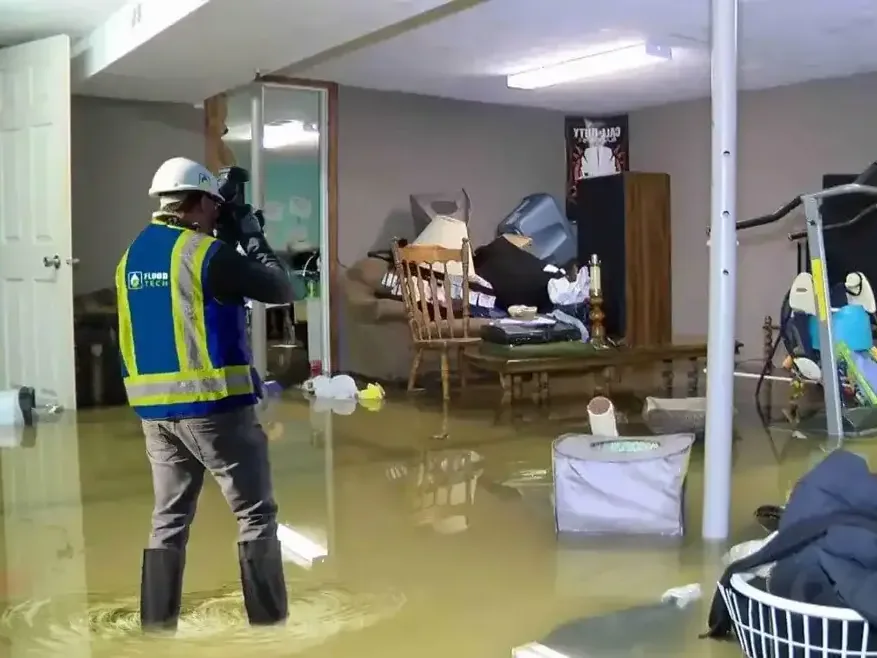
A blocked storm drain needs attention before the next puddle reaches a doorway. Clarkston accepts reports of storm drain blockages and treats flooding caused by a blocked drain as urgent. When runoff has already crossed the threshold, the owner also needs a separate plan for the affected interior. A useful response records the outdoor obstruction, protects access, and follows the water through the rooms without sending anyone into the flooded area.
Key takeaways
- Report the drain location and active flooding to the city from a safe position.
- Keep people away from incoming water and wet electrical equipment.
- Record the doorway, floor edge, and contents touched by runoff.
- Arrange cleaning and material assessment alongside liquid removal.
- Preserve a separate list of drainage repairs and interior repairs.
Give the city a report that identifies the obstruction
The most useful blockage report describes a recognizable location, the visible opening, and whether water is collecting or moving toward a building. A photograph from dry ground can show leaves, sediment, or debris covering the opening.
The person reporting should describe what is visible without lifting covers or reaching into flowing water.
Clarkston's urgent treatment of flooding from a blocked drain makes the presence of active flooding an important detail. A report should distinguish a covered opening from water that continues rising after rain has slowed.
Changes can be added to the original report so the location and sequence remain together for the responding department.
The indoor cleanup request needs different information: the affected room, the apparent entry point, and any access hazards. A storm water cleanup assessment can then focus on the building while the city handles the reported public drain.
Keeping these descriptions separate helps each response start with a clear task.
- Identify the nearest visible drain without approaching moving water.
- State whether the building entrance is affected.
- Keep the original report reference with photographs.
- Record further water entry after the first report.
Trace runoff across the threshold
The city explains that asphalt and concrete increase runoff and can contribute to flooding and erosion. At an affected building, the inspection follows the actual route across paving, through the entrance, and onto interior surfaces.
Debris caught at the threshold and marks on a door frame can help connect the exterior path with the first wet room.
A floor can look evenly wet even when water arrived through a narrow gap. Technicians examine the lower frame, adjoining wall bases, floor joints, and nearby storage.
They also note whether another entrance remained dry, which helps define the work area and protects an unaffected route for occupants and equipment.
Photographs should include both a broad view of the entrance and close views of residue. A simple sketch can show where a rug, cabinet, or stack of boxes stood before movement.
That record gives later cleaning and repair decisions a visible starting point instead of relying on a description of the largest puddle.
Keep the work route out of the living area
Runoff may carry dirt and other contamination indoors. Occupants should avoid contact with the water and leave affected electrical equipment untouched.
Where access involves a wet outlet, unstable flooring, or a sagging finish, trained assessment comes before moving furniture or starting equipment in the room.
The cleanup team selects an entrance and a route for carrying out wet material. A dry hallway should not become a staging area for dirty rugs or boxes.
Separating the work route also makes it easier to track which surfaces have already been cleaned and which still need attention before normal use resumes.
Recoverable belongings can be documented in place before they are moved to an appropriate area. The inventory should distinguish the wet contents from objects removed only to make room for equipment.
This small distinction prevents dry items from being grouped with contaminated material and keeps the owner's repair file easier to understand.
- Keep children and pets beyond the affected doorway.
- Leave wet cords and electrical devices alone.
- Choose a designated path for material removal.
- Label contents by the room where they were found.
Remove liquid without losing the hidden boundary
Standing water is easiest to see, but moisture can continue beneath floor coverings and behind trim after the open floor has been extracted. A technician checks those edges before deciding that the loss ends at the visible puddle.
Door jambs and built in furniture deserve attention where runoff has collected against them.
The water extraction service addresses accessible liquid, with methods chosen for the affected surface and water condition. Removing water from a hard floor does not settle the condition of a wet rug, a swollen cabinet base, or a wall cavity.
Each of those materials needs its own inspection and treatment decision.
Readings taken at marked locations allow the drying team to return to the same points later. The record should identify the material as well as the room because a wall base and a floor covering can respond differently.
A changing boundary calls for another look at the entry route or an adjoining concealed space.
Choose retention by material condition
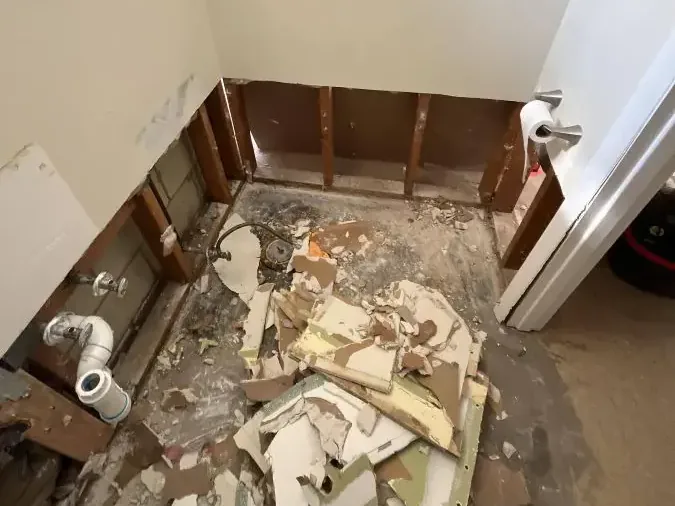
The cleanup plan separates surfaces that can be cleaned and dried from materials that require removal. Porous finishes exposed to dirty water need particular attention to contact and cleanability.
A decision should account for the whole affected layer, including backing or underlayment, rather than only the face visible from the doorway.
Drying retained material comes after the relevant cleaning and removal work. Equipment positioning should serve the actual wet surfaces, with access to edges and cavities where needed.
Covering a damp assembly with a new finish too early hides the problem from view and makes later checks more difficult.
During structural drying, repeated material readings show whether the room is progressing toward suitable dry comparisons. A stubborn corner may need changed airflow or further inspection.
The work record should explain that adjustment so the owner can connect the equipment layout with the particular area still being treated.
- Document the reason for removing a finish.
- Photograph exposed layers before they are covered again.
- Keep cleaning notes beside the material inventory.
- Track retained surfaces through the final drying visit.
Finish with two repair lists
The outdoor list describes the reported drain obstruction and any further drainage investigation. The indoor list identifies damaged finishes, cleaned surfaces, retained materials, and remaining construction work.
Keeping those lists distinct prevents an interior repair appointment from being mistaken for completion of the public drainage response.
The owner can keep the city report, entry photographs, extraction record, and drying measurements in one dated file. That arrangement helps a repair contractor understand why a lower wall was opened or a floor covering was removed.
It also preserves the original condition after the water marks and loose debris have disappeared.
Before furniture returns, the handoff should identify spaces ready for use and any restricted area still awaiting repair. The final room photographs should show the same doorway and floor edges recorded at the start.
Matching views make the outcome easier to assess and highlight any unresolved entry point needing separate attention.
Questions
What detail matters most in a blocked drain report?
The location and presence of active flooding help explain the immediate problem. A clear photograph and a description of water approaching a building add useful context without requiring the reporter to enter the water.
Should an owner lift the drain cover?
A cover should remain undisturbed by occupants. The report can describe an obstruction from a safe position while the responsible department assesses access and maintenance.
Does a clear floor mean cleanup is finished?
A floor without standing water can still have wet edges or affected layers beneath it. Material assessment, cleaning, and documented drying determine the remaining work.
Can the same file cover outdoor and indoor work?
Yes. Separate entries within the file can track the public drain report, the building entry route, and the interior restoration tasks so responsibility for each action stays clear.