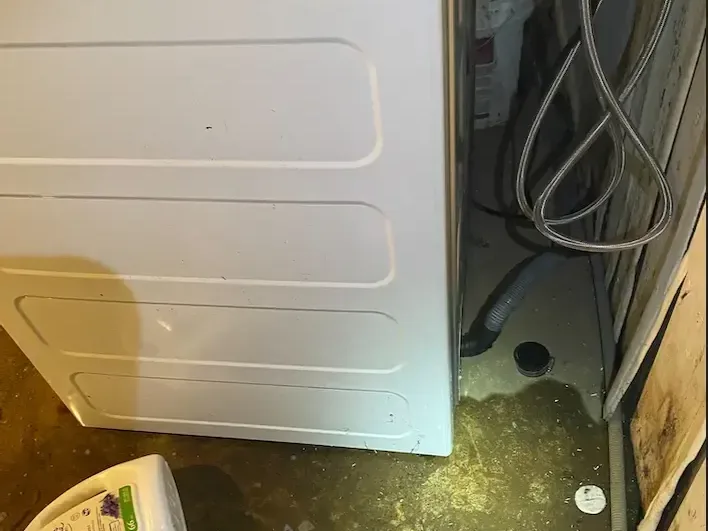
A small pool beside an appliance can hide a much larger wet area beneath cabinets. For a Clarkston kitchen, the useful question is where the escaped water traveled after it left the appliance or connection. DeKalb County Watershed Management provides local water services, while the inspection inside the home focuses on the particular appliance, nearby finishes, and concealed edges that need access for cleaning or drying.
Key takeaways
- Keep the appliance out of use until the source has been assessed.
- Leave wet electrical connections and heavy appliance movement to suitable professionals.
- Record the first puddle before towels obscure the route.
- Include cabinet bases and adjoining floor layers in the inspection.
- Confirm material condition before reinstalling trim or enclosing the appliance space.
Describe the leak before moving the appliance
The owner can note whether water appeared during operation, after the appliance stopped, or while it was unused. A photograph of the puddle and a description of any visible drip can help the repair professional.
Repeatedly running the appliance to reproduce the leak risks adding water to finishes that are already affected.
Water near electricity changes the access plan. Occupants should avoid touching wet plugs, cords, or controls and should not pull a heavy appliance through standing water.
The appropriate professional can assess source isolation and safe access before the cleanup team works around connections or a confined appliance recess.
An appliance water damage inspection considers the source and the room together. The technician needs to know what was moved or wiped before arrival, since those actions can change the visible pattern.
A short account of discovery often explains why the first observed wet spot differs from the eventual affected boundary.
- Record whether the appliance was operating at discovery.
- Describe visible dripping without restarting the equipment.
- Photograph the adjoining cabinet and floor junction.
- Mention towels, rugs, or contents already moved.
Inspect the recess and the cabinet base separately
An appliance opening and the cabinet beside it may retain water in different ways. The recess can expose an unfinished floor edge while a cabinet base encloses a narrow space.
Inspection should identify the actual construction and the surfaces contacted, rather than assuming that the visible flooring continues unchanged beneath every unit.
Removable trim can provide useful access when removal is appropriate for the assembly. The technician documents the opening and the material condition behind it.
A cabinet side that appears sound above the floor may have a swollen lower edge or a wet backing that cannot be assessed from a standing view.
A clear record distinguishes water beneath the appliance from water beneath adjacent cabinetry. That distinction informs the drying arrangement and any decision to remove damaged material.
It also helps the cabinet contractor understand exactly which component needs attention, reducing the chance that finish work conceals an untreated edge.
Follow joints into adjoining rooms
The water route may extend along a flooring seam or through a doorway before a puddle becomes obvious. Technicians compare the appliance area with adjoining floor sections and check where the material changes.
A threshold can hide a wet edge even when the next room looks dry from the entrance.
A rug or mat may hold water against the floor after the appliance supply has been isolated. Its location should be recorded before removal so the inspection can revisit the covered surface.
Nearby stored goods also deserve attention where cardboard or fabric has absorbed water directly from the floor.
For an affected wood finish, the hardwood assessment considers board condition and moisture beneath the visible face. Cupping, open joints, or surface discoloration should be photographed as found.
The drying decision then follows the particular floor construction and condition instead of treating every kitchen surface alike.
- Check transitions between different floor coverings.
- Record the position of mats before lifting them.
- Inspect the bottoms of nearby storage items.
- Compare affected edges with suitable dry material.
Separate appliance repair from water recovery
A corrected connection prevents another release, but the escaped water still needs attention. Repair notes should identify the failed component and any operational check performed by the repair professional.
The restoration notes should identify liquid removal, affected finishes, and the remaining moisture within the room.
The county's role as water provider supplies a contact for a public service concern, while an appliance fault needs investigation at the equipment. The owner should keep descriptions specific to the finding.
A general statement that water was present in the kitchen gives less useful direction than a recorded drip at a particular connection.
Coordination matters when the appliance must remain out of its opening during drying. A written access plan can identify who disconnects it, where it can be stored safely, and when the space is ready for reinstallation.
This avoids closing an opening before the lower wall or floor beneath it has been reassessed.
Use drying access that reaches concealed edges
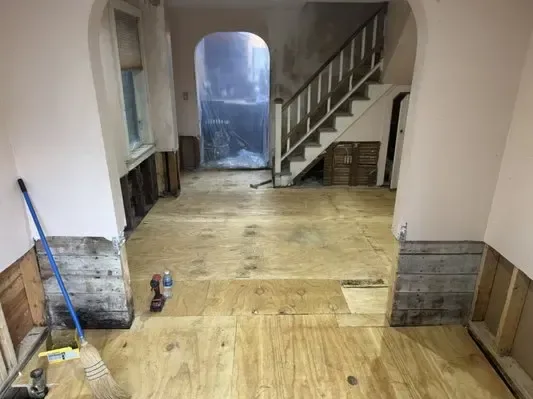
Accessible liquid is recovered before equipment is positioned for the retained materials. The arrangement should account for cabinet recesses, exposed floor edges, and other places where normal room airflow does not reach well.
Suitable access may involve removing an affected trim piece while preserving the rest of a recoverable assembly.
During monitored structural drying, readings at the same marked locations show whether that access is working. A wet cabinet backing that changes slowly deserves another look at the assembly.
Equipment can then be adjusted to the finding rather than remaining in the same position simply because the open floor feels dry.
The owner should receive a description of the surfaces being monitored and any parts that remain inaccessible. A repair professional can then coordinate additional access when needed.
Keeping a clear material list makes it easier to distinguish a cabinet component that has dried successfully from a damaged component that still requires replacement.
- Label the cabinet side and floor edge being measured.
- Preserve access until the affected assembly is checked.
- Record changes to equipment placement.
- Match replacement work to documented damage.
Plan reinstallation around the repaired opening
Before the appliance returns to service, its repair and the surrounding finish work should be coordinated. The recess needs an accessible record of the retained floor and lower wall condition.
Photographs taken before reinstallation preserve views that will otherwise disappear behind the equipment and make a later question much harder to answer.
The cabinet repair scope should state whether it involves a removable panel, a damaged base, or another component. The flooring scope should identify any retained transition and any section awaiting repair.
Clear boundaries prevent a broad kitchen repair description from obscuring the actual material decisions made during the drying work.
A final owner file can combine the appliance service record, moisture map, contents notes, and photographs of the reopened space. The dates should show when the source was corrected and when drying was completed.
That sequence gives the household a practical account of the incident and a useful reference if another leak develops.
Questions
Can an owner run the appliance again to locate the drip?
Keeping it unused protects the room from another release while a qualified repair professional investigates. Observations from the original incident are more useful than deliberately wetting the area again.
Why inspect a cabinet that looks normal above the floor?
The concealed base and backing may have contacted water even when the upper finish remains unchanged. Access and material readings help establish the condition of those lower components.
Does appliance repair include drying the kitchen?
The equipment repair addresses the faulty part or connection. Recovery of escaped water and assessment of affected building materials require their own scope and completion record.
What should remain visible until the final check?
The specific floor edges, cabinet components, and lower wall areas selected for monitoring need suitable access. The restoration and repair professionals can coordinate when trim and equipment may return.